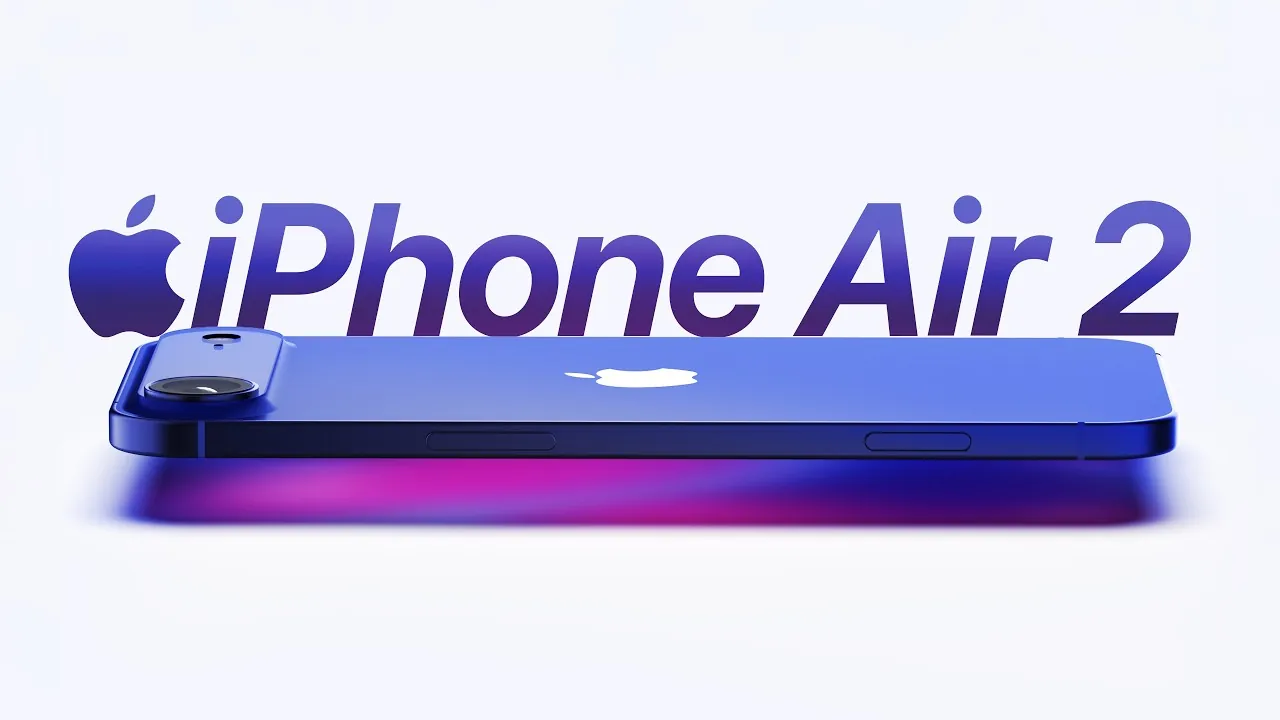
Apple is preparing to launch the iPhone Air 2, the second iteration of its lightweight smartphone, in spring 2027. This release comes despite earlier speculation about potential delays or cancellations due to the modest sales performance of the first-generation model. By moving forward with the iPhone Air 2, Apple signals its commitment to a deliberate strategy: positioning the iPhone Air as a niche product that prioritizes innovation over mass-market appeal. The iPhone Air 2 is designed to address the shortcomings of its predecessor while introducing advanced technologies that push the boundaries of mobile design and functionality.
Understanding the Market Position
The original iPhone Air accounted for just 3% of sales within the iPhone 17 lineup, falling short of Apple’s internal target of 6-8%. However, this limited market share aligns with Apple’s vision for the iPhone Air as a low-volume, high-impact device. Rather than aiming for widespread adoption, Apple has positioned the iPhone Air as a product for early adopters and niche markets. This approach allows the company to showcase its engineering capabilities and experiment with innovative features without relying on the device as a primary revenue driver.
This strategy mirrors Apple’s approach with other specialized products, such as the Apple Vision Pro and Pro Display XDR. These devices are not designed for mass-market success but instead serve as platforms for technological innovation. By focusing on a smaller, targeted audience, Apple can refine its designs and introduce new features that may eventually influence its broader product lineup.
Strategic Release Timeline
Apple plans to launch the iPhone Air 2 alongside the iPhone 18 and iPhone 18e in spring 2027. This staggered release schedule reflects Apple’s commitment to longer development cycles for niche products. By spacing out releases, Apple ensures that each iteration of the iPhone Air benefits from meaningful advancements in design and technology. This approach also allows the company to differentiate the iPhone Air from its mainstream models, reinforcing its identity as a specialized device.
The extended development timeline provides Apple with the opportunity to address feedback from the first-generation iPhone Air. By refining the device’s design and integrating next-generation technologies, Apple aims to deliver a product that appeals to its target audience of early adopters and technology enthusiasts. This calculated approach underscores Apple’s dedication to quality and innovation, even in niche markets.
Key Design and Hardware Upgrades
The iPhone Air 2 is expected to introduce significant improvements in both design and hardware, addressing the limitations of its predecessor while incorporating innovative features. Key enhancements include:
- Battery Efficiency: The iPhone Air 2 is likely to feature a larger, more efficient battery, potentially extending battery life by 25-30%. This improvement is critical for users who prioritize longevity in a lightweight device.
- A20 Chipset: Powered by the A20 chip, built on TSMC’s advanced 2nm process, the iPhone Air 2 promises enhanced performance and energy efficiency. The chipset is expected to be paired with the C2 modem, allowing faster connectivity and improved data speeds.
- Thermal Management: To address the thermal throttling issues observed in the first-generation model, the iPhone Air 2 may incorporate a vapor cooling system. This feature would ensure consistent performance during intensive tasks, such as gaming or video editing.
These upgrades highlight Apple’s focus on delivering a superior user experience while maintaining the iPhone Air’s signature lightweight design. By addressing the shortcomings of the original model, Apple aims to position the iPhone Air 2 as a compelling choice for its target audience.
Camera Innovations
The iPhone Air 2 is expected to make notable advancements in camera technology. Apple may introduce a secondary camera, potentially a 48MP ultra-wide or telephoto lens, to expand the device’s photographic capabilities. This addition would provide users with greater versatility in capturing high-quality images, from wide-angle landscapes to detailed close-ups.
To accommodate this upgrade without compromising the device’s slim profile, Apple is likely to optimize the internal layout of the iPhone Air 2. This approach reflects Apple’s commitment to balancing functionality with design excellence. By enhancing the camera system, the iPhone Air 2 aims to appeal to photography enthusiasts who value both performance and portability.
Additional Features to Elevate the Experience
In addition to core hardware improvements, the iPhone Air 2 is expected to include several refinements that enhance the overall user experience. These features are designed to address user feedback and further distinguish the iPhone Air 2 from other devices in Apple’s lineup:
- Display Enhancements: Upgraded display technology could deliver sharper visuals, improved brightness, and better color accuracy, making the device more appealing for media consumption and creative tasks.
- Dynamic Island Refinements: Adjustments to the dynamic island feature may improve its functionality and seamless integration with the user interface, offering a more intuitive experience.
- Audio Improvements: Enhanced speakers are expected to provide richer, more immersive sound quality, catering to users who value high-quality audio for music, videos, and calls.
- Durable Materials: Advanced materials could improve the device’s durability while addressing heat dissipation challenges, making sure that the iPhone Air 2 remains reliable under various conditions.
These enhancements demonstrate Apple’s commitment to delivering a well-rounded device that meets the needs of its target audience. By focusing on both performance and user experience, the iPhone Air 2 aims to set a new standard for lightweight smartphones.
Apple’s Vision for the iPhone Air
The iPhone Air 2 embodies Apple’s dedication to innovation and design excellence. By positioning the device as a niche product, Apple targets a specific audience of early adopters and technology enthusiasts who value innovative features and unique form factors. This strategy allows Apple to experiment with new technologies and design concepts without the pressure of achieving mass-market success.
The iPhone Air 2 is more than just a smartphone; it is a testament to Apple’s ability to redefine mobile technology. By addressing the shortcomings of its predecessor and introducing advanced features such as the A20 chipset, improved battery efficiency, and enhanced camera capabilities, the iPhone Air 2 reinforces Apple’s reputation for innovation. As a showcase of the company’s engineering prowess, the iPhone Air 2 is poised to carve out a unique position in the smartphone market, appealing to those who seek a device that combines performance, portability, and innovative design.
Unlock more potential in iPhone Air by reading the previous articles we have written.
- Everything You Need to Know About the iPhone Air 2
- The iPhone Air 2 Design is RADICAL! Apple’s Secret 2-Camera
- iPhone Air Durability Test: How Tough Is Apple’s Thinnest iPhone
- iPhone Air: The Ultimate Lightweight Smartphone
- iPhone Air vs Galaxy S25 Edge: Which Smartphone is Best?
Source & Image Credit: ZONEofTECH
Latest Geeky Gadgets Deals
Disclosure: Some of our articles include affiliate links. If you buy something through one of these links, Geeky Gadgets may earn an affiliate commission. Learn about our Disclosure Policy.
